It Left Them Jobless, Ostracised and Judged … But It Saved Their Lives
With anti-trans hate crime at a record high, the Manchester Evening New’s James Holt speaks to three inspirational people about their journey to becoming their true self
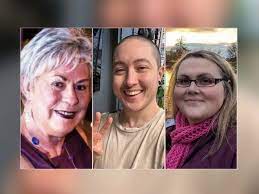
Years spent in self dispute, tumultuous childhoods and standing up to ignorance – they all had one simple wish … to live their truth without justification or judgement.
At a time where it has ‘never felt more dangerous’ to live openly as a transgender person, with anti-trans hate crime at a record high nationally, these are the honest stories of pain and oppression.
They are the inspirational tales of three Manchester people who are more than a statistic – but individuals who bravely sought self-love and acceptance; encouraging open conversations about trans rights and unity.
‘There was a dark shadow following me and I couldn’t get rid of it’
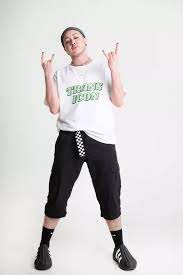
Kerrang and Gaydio presenter Paris Munro, 33, bravely came out as transgender live on air in January 2022. Paris, who identifies as a trans man or non-binary, said he knew something was ‘very different’ about him from the age of four. Confused and lost in his youth, he started trying to shave his face and questioned why his body wasn’t developing like his brother’s.
It was years of ‘crying in front of the mirror’; a burning desire to find his identity.
“I realised something was very different about me. Growing up with a younger brother and seeing him go through puberty was a wake up call,” Paris said.
“I questioned why his voice was deeper, why I didn’t have facial hair. It was extremely tough. When I was four or five I tried shaving my face. I used to watch him doing it so I wanted to do the same – it was such a confusing time.
I knew for a long time from crying in front of the mirror there was something seriously wrong. The sense of trying to have self love was so difficult because people tell you ‘you should learn to love your body’, but I just couldn’t.
I had always been in a mental battle between self-love and asking ‘who the hell am I?’ It was a yoyo of hell and back mentally; there was a dark shadow following me around and I couldn’t get rid of it.
When I met trans people at university, things started falling into place. I got this light bulb moment and the way I felt started making sense. I wanted pecks, facial hair and all the things you stereotypically assign with what you are taught is ‘masculine’.”
It was the 1990s – a time when education did not encompass LGBTQ+ history or rights. Yet, even in 2024, the battle for an inclusive education continues in the UK. In April 2019, the government announced new regulations for teaching Relationships and Sex Education in England. It was not introduced quietly, instead sparking raging protests at school gates across the country.
Conversion therapies in the UK are also still legal, after the government failed to fulfil its promise to ban the practice. On 1 March, a private members’ Bill to ban conversion therapy will have its second reading.
‘If I hadn’t have transitioned, I would be dead’
Although there are safe spaces for transgender people in Manchester and a visible LGBTQ+ presence, Paris says the damaging public discourse surrounding the community and the all too often reports of hate crime attacks means that as a society, there is still a long way to go. His wish is simple – respect and acceptance for all.

As of March last year, anti-trans hate crimes increased by 11 per cent since 2022 – the highest rate since the recording of figures in 2012.
“It really feels like it wasn’t long ago that we were fighting for gay rights. If I was to go back in time and tell my younger self what this world looks like now – I would be disturbed.”
Although transitioning has been life-saving for Paris, who now feels ‘so at peace’ with his identity, there are still anxieties and concerns that arise when carrying out even the most normal of tasks; leaving the house, going to the bathroom or catching a bus.
“Most people would leave the house and just wonder if their hair is okay or if they ironed their shirt – the regular stuff. In my head I have to question whether I will get jumped and whether I have anything to protect myself, even when doing things like just getting an Uber. It’s the small things people wouldn’t ever have to think about,” he said.
“Even going to the toilet, if someone is in there sometimes I don’t go in just because you never know… all it takes is for someone to know I am trans and react – and that’s scary.”
Paris moved to Manchester because of its ‘freedom and culture’ – but still navigates life with an element of caution. He claims trans people are made the ‘butt of jokes’ by the government and used as a pawn for division and votes. It comes after Rishi Sunak faced calls to apologise over a trans jibehe made during Prime Minister’s Questions, ridiculing Sir Keir Starmer for U-turning on “defining a woman”.
“What doesn’t help the situation and the safety of the community is we have someone running the country who makes us the butt of jokes and as clout for laughs or votes and starting culture wars. We are human beings. It shapes opinion, which means so many questioning children won’t feel like they can speak to their parent because of attitudes.”
However, Paris admits if he didn’t transition, he would be dead.
“Hearing me say that out loud is quite something,” he said. “I feel so at peace now, more than you would ever know that I can start to really love and understand who I am. Everything has aligned mentally, physically and spiritually.
All the pieces feel like they fit together in my life and they aren’t jammed, crooked and broken, but I know that not all trans people have the same experience and are surrounded by love and support.
Being on this journey in Manchester has had its ups and its downs, but there is a culture here of people who get you and a community that will love and support you no matter what.”
‘I was forced to resign from my job when I came out as trans’
Meg Challinor, 40, transitioned in 2006. Growing up in Crewe in the ’80s and ’90s, with limited exposure to the LGBTQ+ community and history, she didn’t discover other people who were just like her until her teenage years.
Her journey to living authentically as a woman began two decades ago. Although attitudes were arguably more ignorant and blind to the existence of transgender people, this had its ups and downs, she says.
In some ways, Meg says she felt she was able to integrate into society more easily. Fewer discussions at the time meant less questions were asked and fewer eyebrows were raised. The challenge was accessing the right support and the absence of trans visibility and representation. But now, living in bustling and colourful Manchester, there are comforting reminders that she is never alone.
“I always knew something was wrong,” she explained. “I’d always fitted in better with the girls. I remember a conversation with my mum when I was about seven years old, where she told me about the difference between boys and girls but knew that wasn’t my experience.
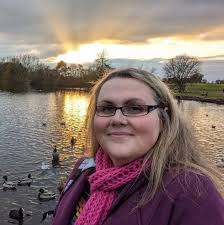
“I would always want to wear girls clothes and gravitated towards the female clichés. Gender is much more nuanced than that, but as a kid those things just spoke to me and I didn’t know why. It was scary – and then I heard cases of people being abandoned by their families for coming out so knew I needed to build a safe space for myself first.
Moving to Manchester has meant the world to me – I can walk around and see a trans person in a shop or trans couple holding hands and it’s beautiful; a reminder that you are not alone.”
In 2006, Meg began transitioning. Only in her early 20s and developing a promising career in IT, her dreams were almost shattered when her boss at the time, in an all-male workplace, told her he would be ‘expecting her resignation’ because she was different.
“I couldn’t believe it … I was being kicked out. Their words, admittedly, were that it was an all male IT department and I wouldn’t fit in,” Meg said.
“Nobody realised I was trans a lot of the time or was looking for it; so it was easier in some ways. But there were so many negatives because conversations weren’t happening, you didn’t connect with people who were trans as much and it felt like people didn’t know as much about it. Less people on the street knew what it was; and when they would find out, there was a more visceral reaction which felt like a danger at the time.”
‘From the moment I started my journey – I never looked back’
But like many others, Meg said her transition has transformed – and saved – her life. Meg says we are balancing on a ‘scary precipice’ in which trans people being weaponised, with the risk of forming a society of ignorance.
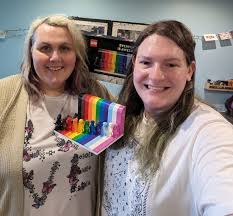
Despite this, the increase in trans visibility, through the likes of social media and trans pride, as well as more transparent and public discussions, reinforces the strength and unity of the transgender community, she says.
“When we are discussed in the public sphere and in parliament, especially as a joke, it sends a message to the public that that is okay. If you have those bigoted and ignorant views, it is reinforced and people feel empowered by it – it gives them ammunition,” Meg said.
“I try to work out if we are taking two steps back and one step forward. When I first transitioned, someone said to me that trans rights were where gay rights were in the 80s. What hit hard last year was a friend said the same thing – the perception was, we hadn’t moved. Of course in many ways we have, but there is loads of work still to be done.
For a transphobe to argue against trans rights, it’s a lopsided argument. If they lose the fight it’s like ‘oh well’, but for us it means losing equal rights to be who we are. But, the community is bigger and stronger than it’s ever been before. There is so much love inside this community and support for one another.
From the moment I started the journey, I never looked back. Yes there were dark days and bad reactions, but I always knew it felt right for me … and I have loved my life since.”
‘I would dress up in secret … until I could no longer hide or pretend’
Pensioner Pauline Smith, 75, didn’t begin living her truth until she was almost 50-years-old. A childhood and adult life spent in self dispute, she dressed up as a woman in secret from the age of nine – and harboured guilt for doing so, but says she never initially realised she was transgender.
Growing up in a religious society and traditional 1950s household, Pauline went to an all-boys school. To the outside world, she was a ‘normal heterosexual teenager’.
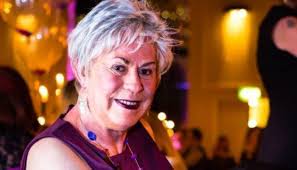
“For my generation, where could you go to get advice? There was no internet, you couldn’t ask your parents, and it was an incredibly religious society,” she said. “How was I going to say to my mum ‘oh yesterday I put on a load of your clothes and looked at myself in the mirror and wished I was a girl?’
I had no idea why I wanted to do that and I felt guilty for it. I also thought God would strike me down with a thunderbolt for sinning and I swore blind I wouldn’t ever do it again.
It was the school holidays and my mother had gone back to work so the day after I did it again. I lived full time as a man, dressing up only occasionally and in private until I realised there were people like me.”
Pauline, who has an adult son, was married to a woman and living in Holland when she eventually came out. Her wife divorced her because her cross-dressing came to light. A marketing manager, she had continued to conceal her true identity and present as a man to be ‘successful’ in her field.
“Between being a child and 50, I grew a beard to deny I could possibly be a woman, but still dressed up in private. I’d go on a business trip and wasn’t happy with the ‘me’ I was presenting,” she said.
“My wife discovered that her darling husband wore women’s clothes. She went through my financial files where I had hidden a couple of items and we rapidly got divorced. I could no longer hide and pretend that this was not there. It had always been.
If I’d have carried on, I was just going to end up being more miserable by denying who I was. It was a very painful time. Over the decades, I built this tower around myself. I was not the person I am now, where I am comfortable with who I am.
For me it’s been a rollercoaster of delayed decisions, but I can’t pull the clock back and live my life differently.”
“I want to show that people like me do not have two heads”
Now living back in Manchester after decades working and living in Europe, Pauline is an author and active volunteer who is on the advisory board for the Pride in Ageing campaign at the LGBT Foundation. She also writes for Talking About My Generation, in which she wants to enable older people to embrace their age and help those who are vulnerable overcome loneliness and depression and to show that ‘life can be fun.’
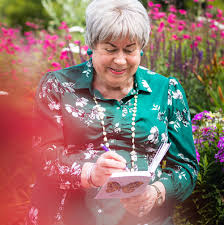
“There is a lot of mud thrown by all kinds of people, a lot of which has stuck,” Pauline said. “I am very open about who and what I am; my mantra and stance towards others is that I demonstrate by the way I dress and behave, that I want to show people like me do not have two heads.
The whole anti-trans toilet argument … where else am I supposed to go to the loo? I will be in a cubicle doing my business.”
The ‘backwards’ attitudes of society have meant Pauline has been subjected to hate crimes and abuse over the years, including being verbally abused on a bus in Bury. Her son, who is accepting of Pauline, has raised concerns about her being beaten or murdered because of her trans identity.
“So I said so what do you suggest I do? Do I change back to living as a man?” Pauline said. “But we still seem a long way as a society from, on the surface, being tolerant.”

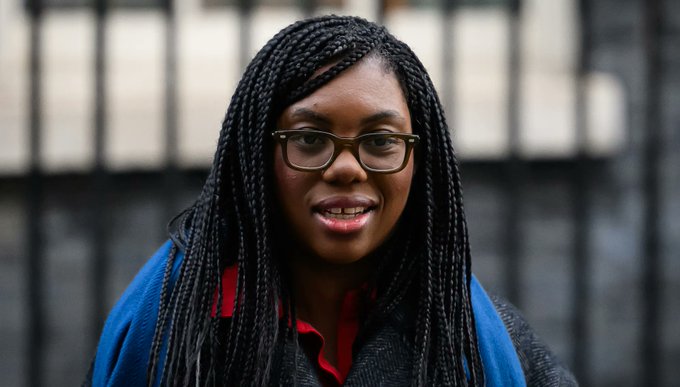
Kemi Badenoch Equalities Minister
The Equalities Minister Kemi Badenoch told Parliament she has “engaged extensively” with LGBT organisations, but a Freedom of Information request reveals that in 18 months in the job she hasn’t met a single one. She has met two fringe anti-trans groups – Transgender Trend and Sex Matters.
Does this really constitute “engaged extensively”?
She has also not attended any Pride-related events in 2023 and has not bothered to reply to Peter Tatchell’s invitation to meet LGBT+ groups. Her remit is to engage with the LGBT+ community but she refuses to do so.
It appears that she holds us in contempt.

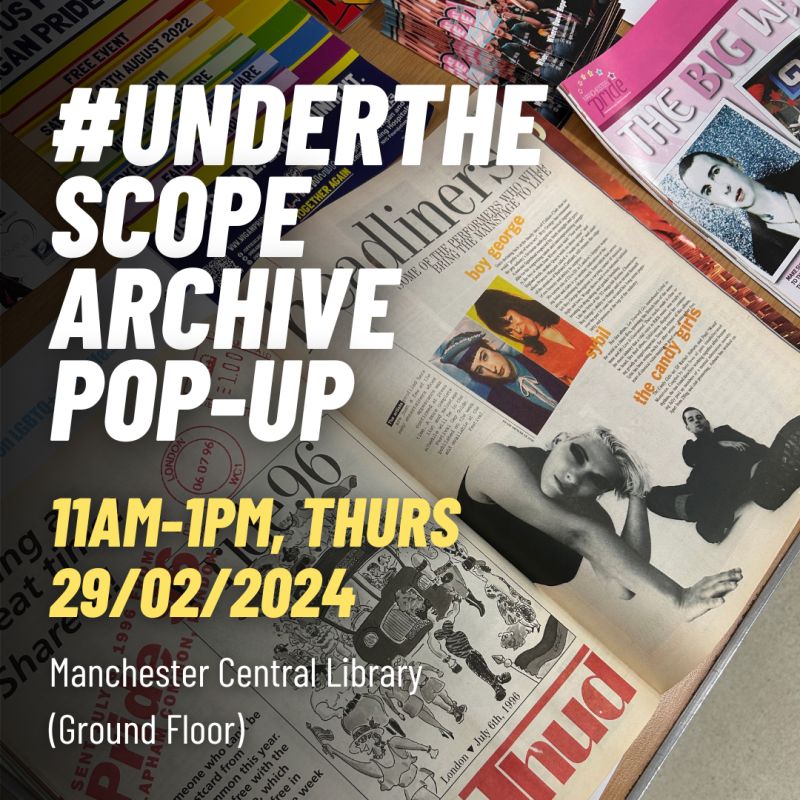
LGBTQ+ History Month event organised by LGBT Foundation

I came of age with Queer As Folk – the TV show that changed everything for gay men
By Matt Cain
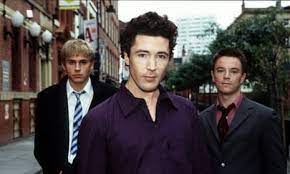
When Queer As Folk was first broadcast on Channel 4, 25 years ago this week, I knew immediately that I was witnessing something momentous. The first episode famously featured graphic images of rimming. Sexy and shameless, the series went on to show drug use, pornography and endless “copping off”. This was accompanied by a jolly theme tune, an uplifting soundtrack and a lot of humour – much of it directed at straight people. It was clearly unlike anything I’d seen on TV before. What I couldn’t have realised is that it would change everything for gay men in the UK.
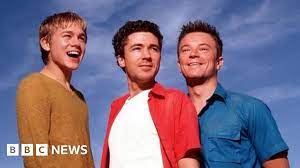
Twenty-five years ago, the Channel 4 drama revolutionised what it meant to be gay in the UK – mostly for the better
When Queer As Folk was first broadcast on Channel 4, 25 years ago this week, I knew immediately that I was witnessing something momentous. The first episode famously featured graphic images of rimming. Sexy and shameless, the series went on to show drug use, pornography and endless “copping off”. This was accompanied by a jolly theme tune, an uplifting soundtrack and a lot of humour – much of it directed at straight people. It was clearly unlike anything I’d seen on TV before. What I couldn’t have realised is that it would change everything for gay men in the UK.
Queer As Folk, written by Russell T Davies, told the story of two gay best friends and their wider circle – including families and found families, boyfriends and casual sexual partners – as they romped through a series of adventures on and around Manchester’s Canal Street. As this had been the setting for my own sexual awakening just a few years earlier – like the character Nathan, as a schoolboy travelling in from the suburbs – for me it carried an extra charge.
Not that it needed any extra charge: the series was full of very explicit, very sexy gay sex. But for the first time, Queer As Folk also made being gay seem cool, something you’d actually want to be.
It was the human drama at the heart of the show – and some exceptional writing by Davies – that helped it attract a weekly audience of up to 3.5 million. Yes, Queer As Folk opened up gay life to the mainstream, but more importantly it showed we experienced the same emotions as everyone else. As the American activist Harvey Milk had argued, if every gay person came out of the closet, it would be harder for straight people to believe we were perverted freaks who represented a danger to society. Queer As Folk proved his point.
But the show didn’t shy away from exploring the downside of gay life. Each of the central characters encountered homophobia, one of their friends died of an accidental drug overdose, and some of their parents expressed disgust at their sexuality. (The only thing missing was HIV, which was all too present in society’s perception of gay men at the time and which Davies more than made up for in his later drama It’s a Sin.) I believe this made viewers support positive social changes and paved the way for legislation such as equalising the age of consent (2001) and the repeal of Section 28 (2003).
Queer As Folk also proved to cultural gatekeepers that mainstream audiences were ready to engage with gay stories – as did the US version that arrived the following year. It blew open the doors to other TV phenomena such as RuPaul’s Drag Race and Queer Eye, films that explore gay experiences such as Brokeback Mountain and Moonlight, and gay pop acts such as Will Young and Years and Years. It took the publishing industry a few years to catch up, but I don’t think I’d have a career as a gay novelist if it weren’t for Queer As Folk.
Now, in my own fiction, I try to explore what’s happened to our community since Queer As Folk was first broadcast, and the show’s impact on a generation who were brought up thinking our sexuality was a source of shame and then had to adjust to a society in which we’re valued, respected and even celebrated. But I also like to explore some of the new challenges facing our community.
In making the gay scene seem such fun, Queer As Folk unwittingly attracted parties of straight women to places like Canal Street, and some of them wanted to ogle us as if we were animals in a zoo. Other factors – such as the popularity of apps for dating or hooking up – have contributed to the closure of many venues across the UK. Yes, the gay community no longer has the same need of a place to meet in secret, a place of safety from widespread prejudice and the near-constant threat of persecution (although hate crimes are unfortunately still an issue). But as a minority population, with minority needs and interests, we’ll always need somewhere to come together, somewhere away from the mainstream. In recent years, I’ve been pleased to see the scene evolving, its focus broadening from booze, banter and sex to encompass queer reading groups, history societies and sports clubs.
Likewise, there was a time when the Pride movement seemed like it might be losing its way. Post-Queer As Folk, many people thought the battle had been won. Pride events up and down the country lost their political edge and just became drunken street parties and mini-music festivals. More recently, there’s been a growing acknowledgment that they too need to broaden their focus. Manchester Pride, for example, now includes an arts programme and a youth festival, as well as its famous street party, parade and the candlelit vigil that honours all those who died in the Aids epidemic or as victims of hate crime.
Another issue is the division of our community into “good gays” and “bad gays”. In the past, all gay men were considered beyond respectability, but now we’ve achieved equal rights there’s sometimes a pressure to show straight people we’re “just like them”. Gay men who still want to go out partying or sleep around can be reproached for “letting the side down”. But with this we’re straying from the spirit of Queer As Folk: the show was gloriously sex-positive, while also offering us a rare representation of gay relationships and parenting. It celebrated our difference while also demanding equality.
That’s the message I’ll be holding on to for the 25th anniversary of the show’s broadcast. Because being allowed – or even expected – to live life a little more freely is one of the greatest joys of being gay.

 Out in the City
Although it’s the job of Kemi to know of the LGBT community, so many people are just not aware of all the various support and social groups that we have, let alone how organised we are. Besides, I’ve yet to hear her utter a truthful sentence!
LikeLike
A really interesting post. Thanks Tony
LikeLike