Happiness! Exhibition at the Museum of Liverpool
Happiness! – an exhibition celebrating Sir Ken Dodd is the first major exhibition on a British comic in a national museum.
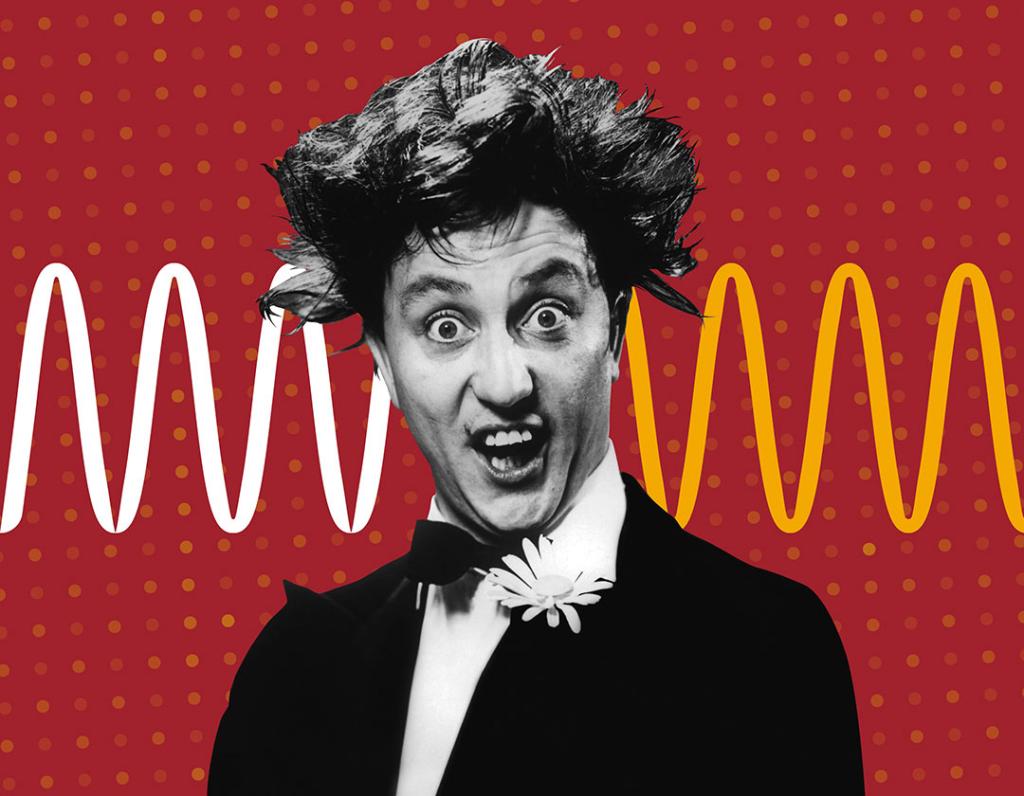
We travelled from Manchester Victoria Rail Station to Liverpool Lime Street Rail Station and walked to The Pump House in Albert Dock for lunch.
Happiness! in the near by Museum of Liverpool is an exhibition filled with fun and humour. Celebrating one of Liverpool’s iconic comedians, the exhibition charts the life and career of the legendary Sir Ken Dodd, and his connection to today’s comedic stars.
This exhibition highlights Ken Dodd the entertainer – comedian, performer, actor, and singer. Ken’s unique blend of whimsical, physical, surreal and theatrical humour transformed the UK’s comedy scene.
Fondly remembered for the magical world he created, including Ken Dodd’s Diddymen, his tickling stick and the jam butty mines, his true passion was his natural gift for making people laugh.
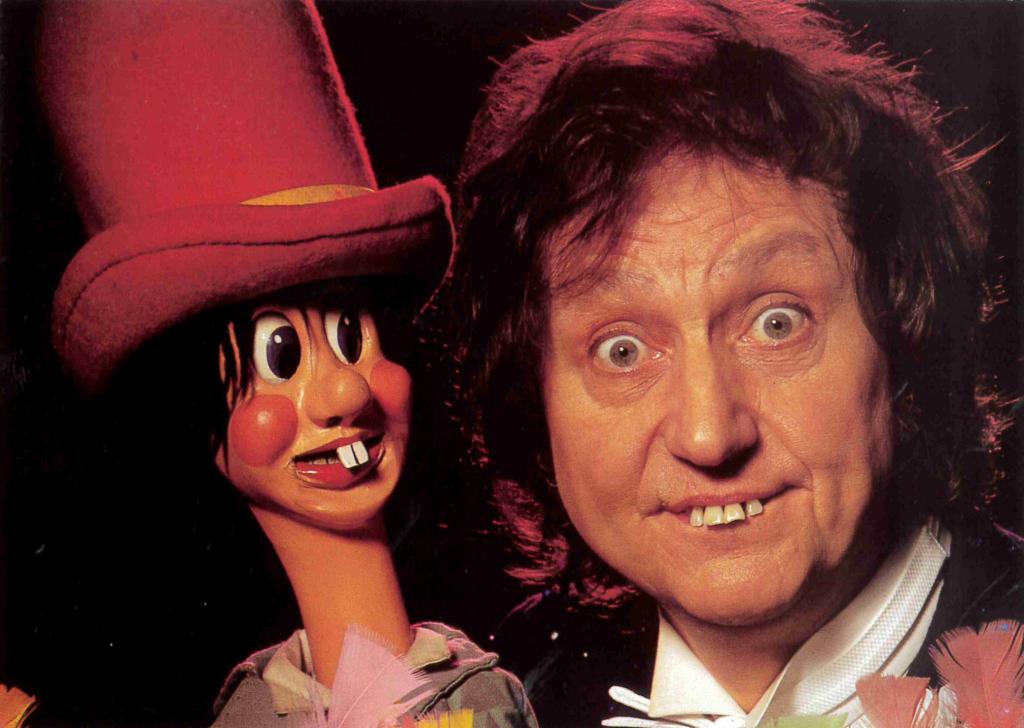
The face that launched a thousand quips
Ken’s act was very visual, playing on his unusual looks; his unruly hair (that he could never quite tame) and his protruding teeth, damaged in a childhood accident. He presented himself as “The Comedian who is Different”.
Bursting onto the stage in bright costumes with a variety of props, Ken would wow audiences with his quick fire wordplay, jokes and whimsical stories. It was all delivered with incredible energy and pace. The ventriloquist element stayed in his act throughout his career, but it was the tickling stick which became truly iconic.
Test your chuckle muscles
The exhibition also looks at why laughter is good for our health: some claim it takes 43 muscles to frown and 17 to smile. While there is no scientific basis for this, such urban myths convey a very important message – smiling and laughing makes us feel happier!
Some photos can be seen here.
Website to track global LGBT+ laws
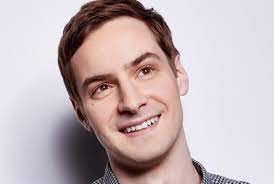
In 2008, Dan Leveille, 35, was studying computer science at the Rochester Institute of Technology when California voters passed Proposition 8, eliminating the right of same-sex couples to marry in the state. It was a blow to the LGBT+ community, including Leveille, who found himself wanting to bring order to how he thought about LGBT+ rights in the US.
His solution was Equaldex, a project that visualises the state of LGBT+ rights around the world. The site has become a trusted resource for governments, the media, and LGBT+ travellers everywhere.
There is a system on the site called the Equality Index, which ranks legal rights and public opinion. The most LGBT+ friendly countries are Iceland, as number one, with Denmark, Norway. Malta, the Netherlands and Canada up there.
The Middle East and Africa are generally the most hostile to LGBT+ people in terms of both the laws and public opinion.

Rustin
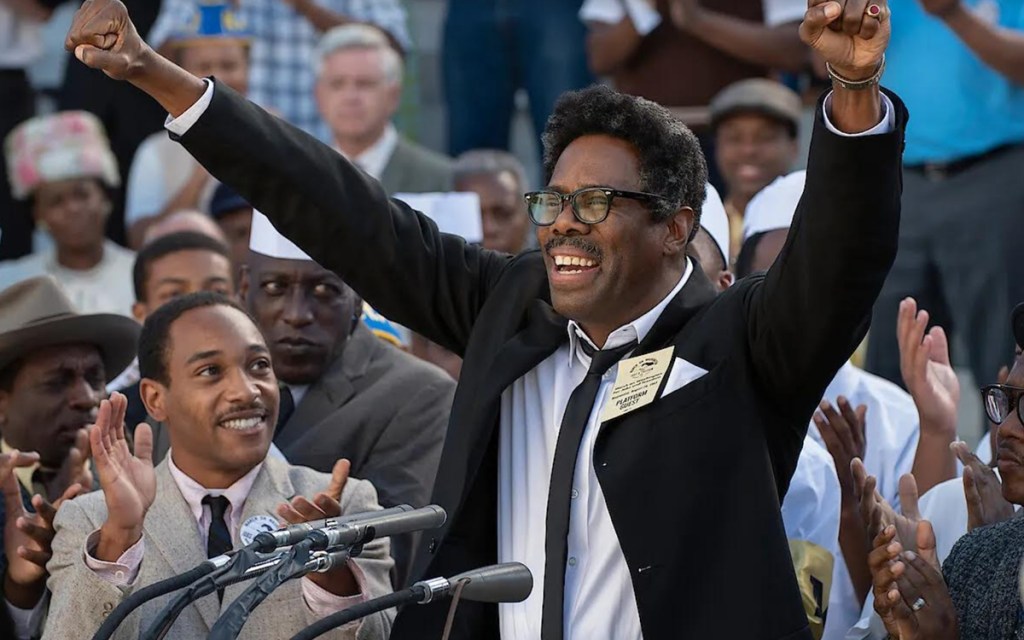
Probably the most high-profile piece of LGBT+ filmmaking of the upcoming season is this biopic about Bayard Rustin – the gay black architect of 1963’s world-changing March on Washington.
Starring Emmy-winner Colman Domingo in the title role this ambitious fictionalised portrait of an extraordinary, history-making gay hero shines a long overdue spotlight on a man who dreamed of a better world.
Bayard Rustin: Things to know before seeing “Rustin” movie
The film focuses on Rustin’s time as a close confidant of King and the mastermind of the 1963 March on Washington for Jobs and Freedom.
Despite Rustin’s amazing activist skills, he was ignored and pushed to the back of the bus by homophobic black leaders in the Civil Rights Movement.
“He was ostracised particularly by black leaders because they were homophobic. They said he would bring disgrace on them because he was gay,” Angela Bowen, assistant professor of women’s studies at Cal State Long Beach, said.
“Bayard knew they were little minded, and he was ahead of his time,” she added.
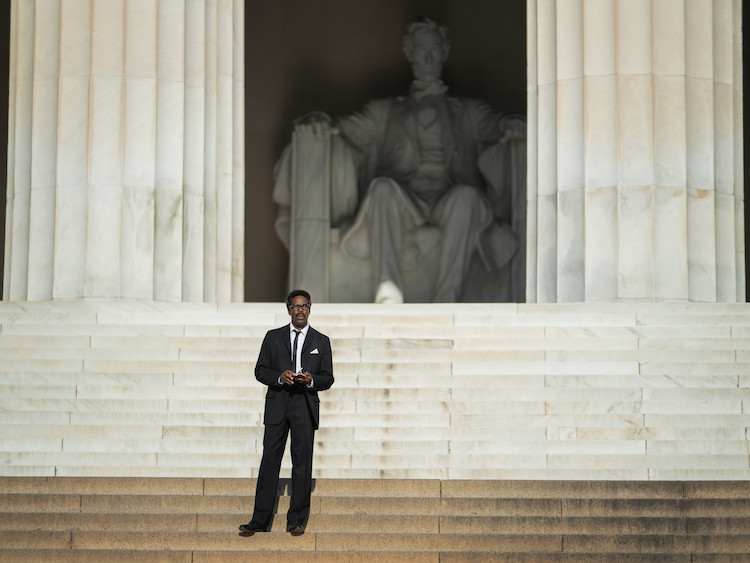
In 1960, while leading the push for protests at the National Democratic Party Convention in Los Angeles, Rustin was attacked as an “immoral element” in the Civil Rights Movement by Congressman Adam Clayton Powell Jr. According to John D’Emilio’s book, “Lost Prophet: The Life and Times of Bayard Rustin,” Powell Jr phoned King and threatened to publicly charge that King and Rustin were lovers. King withdrew his support for the protests at the convention and removed Rustin from his staff.
“Bayard was so incredibly talented,” Nancy Kates, co-producer and director of the documentary “Brother Outsider: The Life of Bayard Rustin,” said.
“He would rise to the top of something, then somebody would take a pot shot at him because of him being gay or issues around his sexuality and that would force him to leave or they’d fire him.
Then he’d rise to the top again. He was like the Energizer Bunny,” Kates said. “He refused to be vanquished by people because they didn’t approve of him.”
Rustin also has been largely forgotten in history books.
Here are seven things to know about Rustin.
- Born in 1912 in West Chester, Pennsylvania, Rustin was raised by his grandparents and deeply influenced by his grandmother, a fierce advocate for social justice.
- By the 1940s, Rustin was a committed missionary of nonviolence. Rustin spent three years (1943-46) in a federal penitentiary as a conscientious objector to World War II (He was a Quaker).
- In 1947, Rustin organised the first “Freedom Rides” through the South. The riders were beaten, arrested and fined. Rustin served 22 days on a North Carolina chain gang.
- Rustin, 40, was arrested on 21 January 1953, in Pasadena, and convicted of “vagrancy” for violating a morality offence that was often used to discriminate against and criminalise LGBT+ and Black communities, but has been repealed. At the time, homosexuality was not only still classified as a mental illness, but also illegal in many parts of the nation. Members of the LGBT+ community also were persecuted under various morality codes in many states, including California. Rustin was arrested for having consensual sex with two white men in a parked car, but the white men were not arrested. After the arrest, Rustin was convicted, served 50 days in jail, and was forced to register as a sex offender. Gov Gavin Newsom posthumously pardoned Rustin in 2020 for the more than 70-year-old “vagrancy” conviction.
- In 1956, during the initial stages of the Montgomery bus boycott, Rustin met the 26-year-old King Jr. Rustin schooled the young leader in the mechanics of running a nonviolent protest. “Rustin’s greatest historical legacy is that he did more than anyone to bring the message of militant nonviolence to the United States and to the black freedom struggle,” John D’Emilio, author of “Lost Prophet: The Life and Times of Bayard Rustin,” said.
- In 1963, Philip Randolph, president of the powerful Brotherhood of Sleeping Car Porters, tapped Rustin to organise the March on Washington. Rustin and Randolph saw the event as far grander than ending the rule for sitting at the back of the bus. They envisioned it as a “catalyst, which mobilises all workers behind demands for a broad and fundamental programme of economic justice.”
- Rustin, who died in 1987 at the age of 75, was awarded a Presidential Medal of Freedom in 2013 by President Barack Obama.
 Out in the City