
Leeds
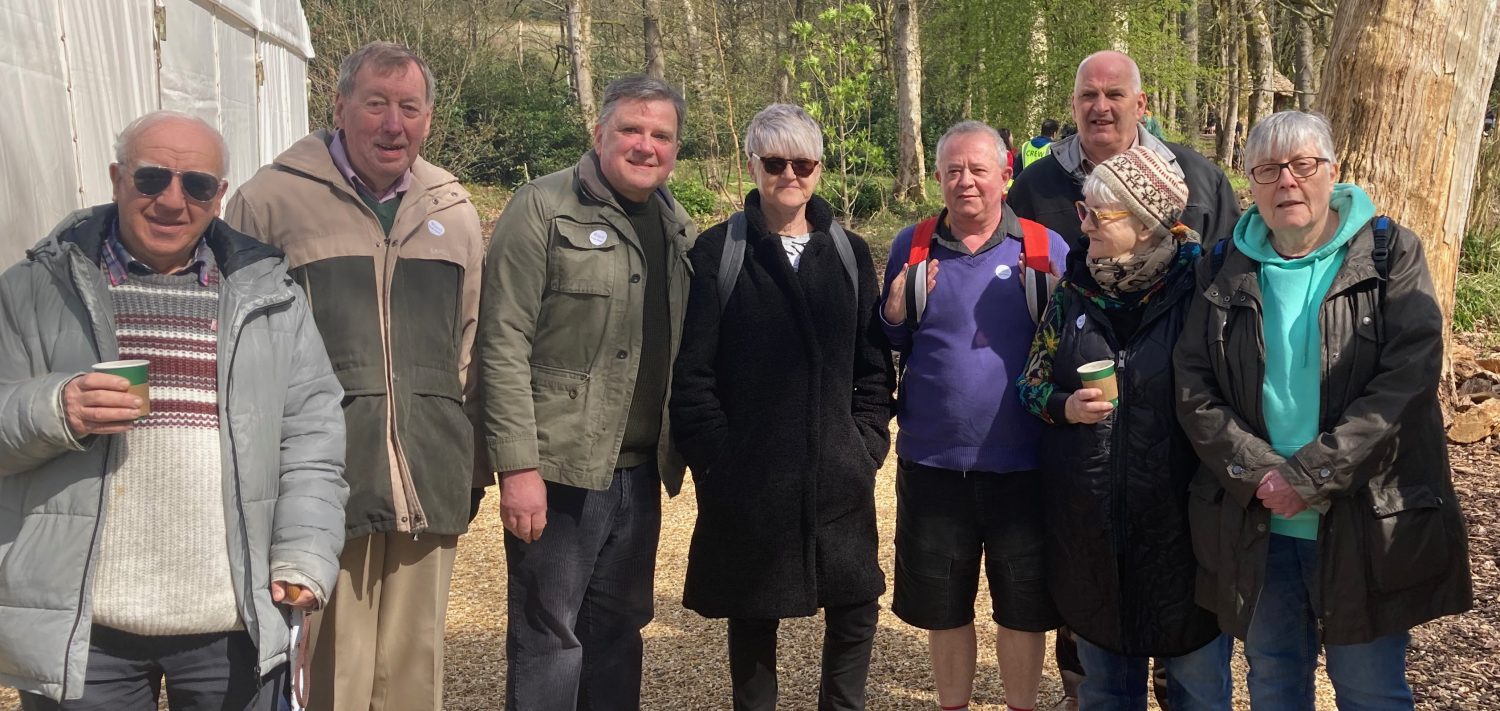
We had a difficult journey to Leeds and a difficult journey home. There had been a landslide between Leeds and Huddersfield, which caused train cancellations and delays.
We arrived over an hour late but fortunately had time to meet up and spend a little time with Tim and Matt from Out Together – a charity that unites LGBT+ generations in Yorkshire.
We met in The Grand Pacific in the Queens Hotel which is a magnificent venue serving delicious food.
Some great photos can be seen here.

UN experts: LGBT+ older persons at heightened risk of violence and discrimination
Following the commemoration of the UN International Day on Older Persons on 1 October, three United Nations rights experts issued a Statement * highlighting the alarming situation faced by many LGBT+ older persons and exhorting UN Member States and other stakeholders to design, pass and implement all measures necessary to address violence and discrimination that disproportionately impact the enjoyment of their human rights.
- To see the Statement go to: https://www.ohchr.org/sites/default/files/documents/issues/sexualorientation/statements/2023-10-24-statement-SOGI-older-persons.pdf

The experts noted that the specific human rights challenges faced by older LGBT+ persons include leading their lives against the backdrop of negative societal stereotypes and assumptions about their physical and mental health, their sexuality and sex life, their ability to contribute to society and their worth to their families and communities.
Experiences of compounded discrimination and stigma throughout their lives may lead to increased rates of depression, anxiety, dementia and other mental health conditions in older life, often compounded by social isolation and loneliness if they live in a social environment that is not accepting.
They further noted that gendered societal assumptions create significant barriers to access to health, including menopausal and gynaecological care for older lesbians and trans men, differentiated health concerns for black gay men, and prostate enlargement and prostate cancer for trans women; and that stigma and prejudice affect the recognition of needs such as peri-menopausal syndrome, erectile dysfunction, lowered libido, vaginal dryness, painful intercourse and sexual dysfunction.
The experts also highlighted the challenges raised by lack of recognition of families chosen by LGBT+ persons, and discrimination and violence that can be pervasive in care institutions and that can lead to cruel violations of human rights at the end of a person’s life, and that may even have effects after death, when surviving loved ones are denied access to funeral planning, survivor benefits and inheritance, or when persons are memorialised in ways that are contrary to their gender identity or sexual orientation. The experts issued nine recommendations to UN Member States to recognise structural ageism as a significant and pressing concern also impacting LGBT+ persons and to give consequence to that recognition in public policy, by designing measures such as anti-discrimination legislation, awareness programmes, training and specialised services.
Brain power dropped among over-50s during Covid-19 pandemic, study shows
The Covid pandemic may have impacted brain health in people in the UK aged 50 and over, according to a new study.
More than 3,000 volunteers completed yearly questionnaires and online cognitive tests to measure changes in memory, and other faculties, as the pandemic unfolded.
The results revealed a decline, irrespective of Covid infection.
Stress, loneliness and alcohol consumption may explain some of the findings, experts say.
Coping with Covid fears, worries and uncertainties and disruption to routines may have had a “real, lasting impact” on brain health, they say.
The rate of the drop in cognitive function was accelerated during the first year of the pandemic, when lockdowns occurred, the study found.
For memory issues, the decline continued into the second year.
People who already had some mild memory problems before the pandemic began had the worst overall decline.
The study, called PROTECT – published in The Lancet Healthy Longevity – was set up to help understand how healthy brains age and why some people develop dementia.
It uses brain-training games to check memory skills and reasoning, while the questionnaire looks for possible risk factors that could harm brain health.
The plan is to keep the study running in the future to see how participants fare, and what lessons can be learned to help others.
Based on the current findings, lead investigator Prof Anne Corbett, from the University of Exeter and previously King’s College London, says pandemic conditions may have hastened brain decline.
“Our findings suggest that lockdowns and other restrictions we experienced during the pandemic have had a real, lasting impact on brain health in people aged 50 or over, even after the lockdowns ended.
“This raises the important question of whether people are at a potentially higher risk of cognitive decline which can lead to dementia.
“It is now more important than ever to make sure we are supporting people with early cognitive decline, especially because there are things they can do to reduce their risk of dementia later on.
“So if you are concerned about your memory, the best thing to do is to make an appointment with your GP and get an assessment.”
Dr Dorina Cadar, a dementia expert from Brighton and Sussex Medical School, said the effect of the pandemic on the general population had been “catastrophic”.
“Many of the long-term consequences of Covid-19, or the restriction measures implemented around the world, remain unknown,”
She recommended more research, and said although the findings could not prove cause and effect, there is mounting evidence that some of the factors described, such as social isolation, can negatively impact brain health.
Dr Susan Mitchell from Alzheimer’s Research UK said: “While our genetics play an important role in the health of our brains as we age, we know that a range of health and lifestyle factors can impact our brain health.
“Sadly, there’s no sure-fire way to prevent dementia yet, but meanwhile, taking care of our brains can at least help stack the odds in our favour. It’s never too early or too late to think about adopting healthy habits, which includes looking after your heart health, keeping connected and staying sharp.”


 Out in the City