
Mystery trip
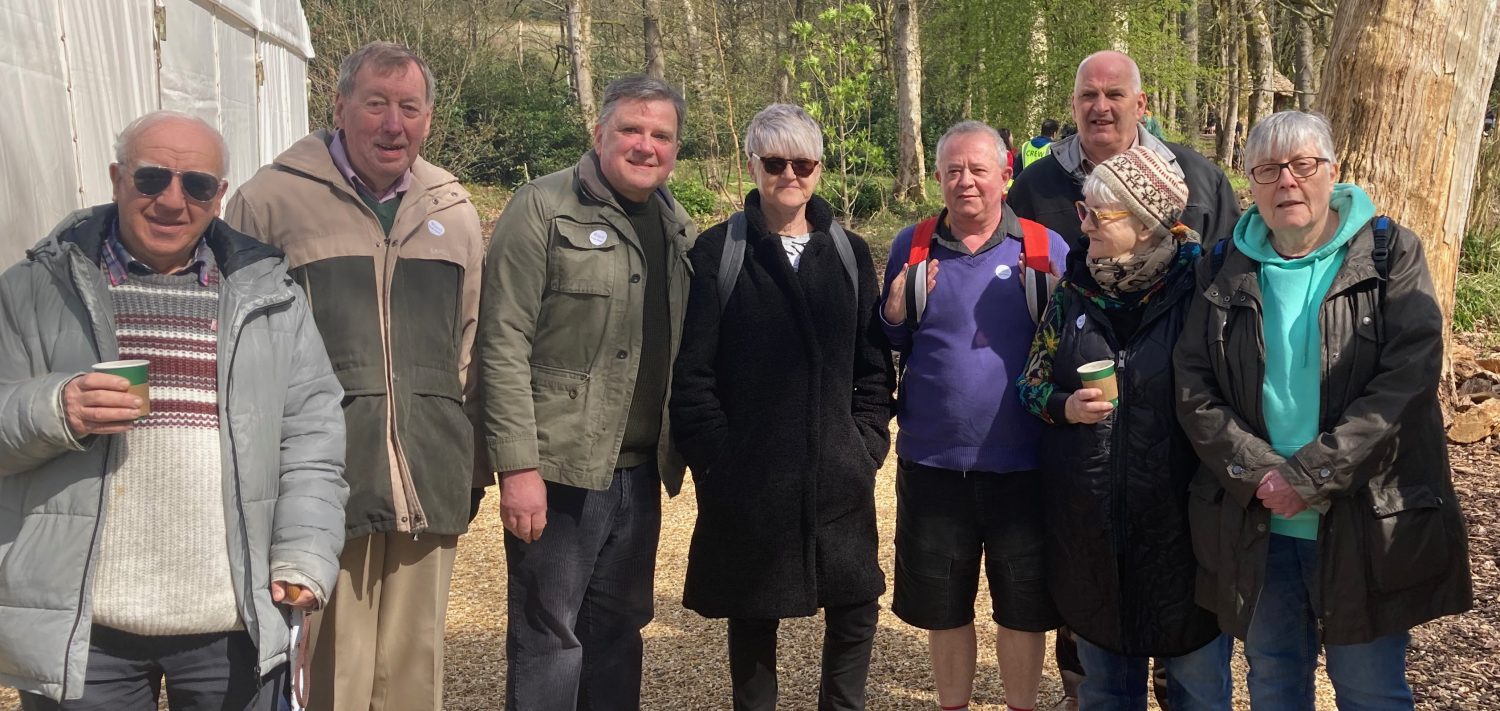
Last week, members of Out In The City met at Manchester Piccadilly Train Station to go on a “mystery trip”. Those attending did not know our destination.
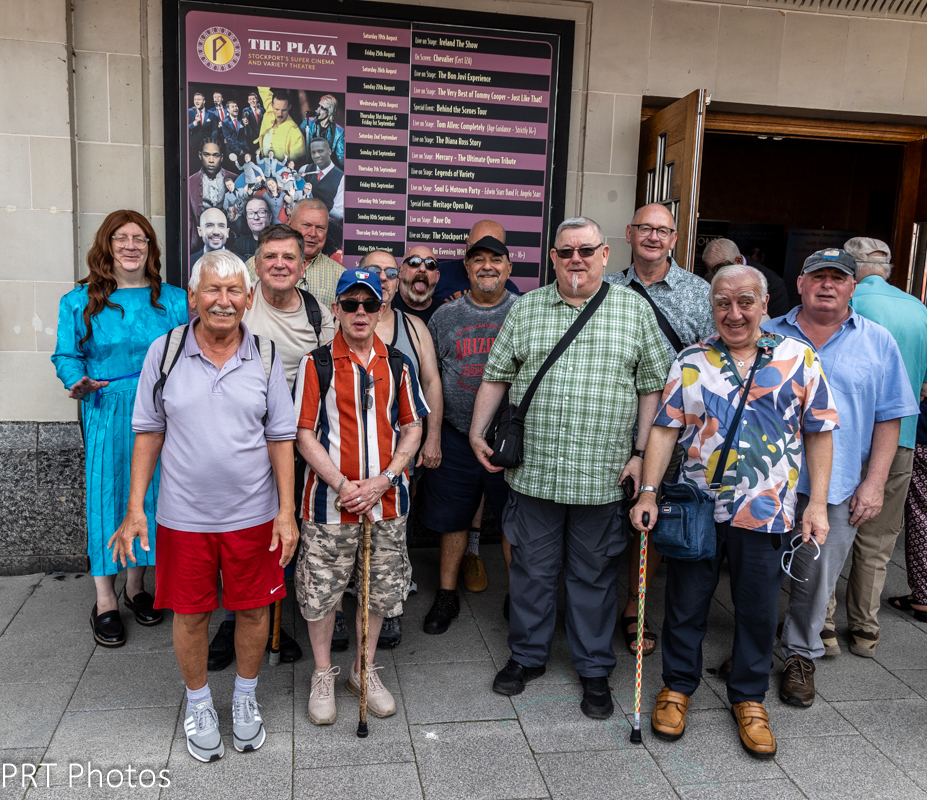
We caught the train to Stockport and dined at The Calvert’s Court (Wetherspoon’s pub) before walking the short distance to the Stockport Plaza.
The Stockport Plaza Super Cinema and Variety Theatre is an award-winning example of the finest in 1932 Art Deco architecture, which has been lovingly restored and maintained. The surprise mystery was revealed as we were about to see a show called “Legends of Variety”.
Top of the bill was Anita Harris, now 81. She is an actress, singer and entertainer, having sung with the Cliff Adams Singers for three years from 1961 and having had a number of chart hits during the 1960s. She appeared in the Carry On films Follow That Camel and Carry On Doctor.
Freddie “Parrot Face” Davis, now 86 was the compere. He is a comedian and actor who came to public notice in 1964 through the television talent show Opportunity Knocks and has since appeared in several television series and films.
The support included Bernie Clifton, comedian and entertainer, now 87, the Grumbleweeds, comedy band (just Robin Colvill from the original group, now 79 with smooth straight man James Brandon) and Tommy Cannon, comic and singer, now 85. He is best known as the straight man of the comic double act Cannon and Ball, until Bobby Ball’s death in 2020. There was also Paul Zenon, a magician, the organist and a local group of dancers.
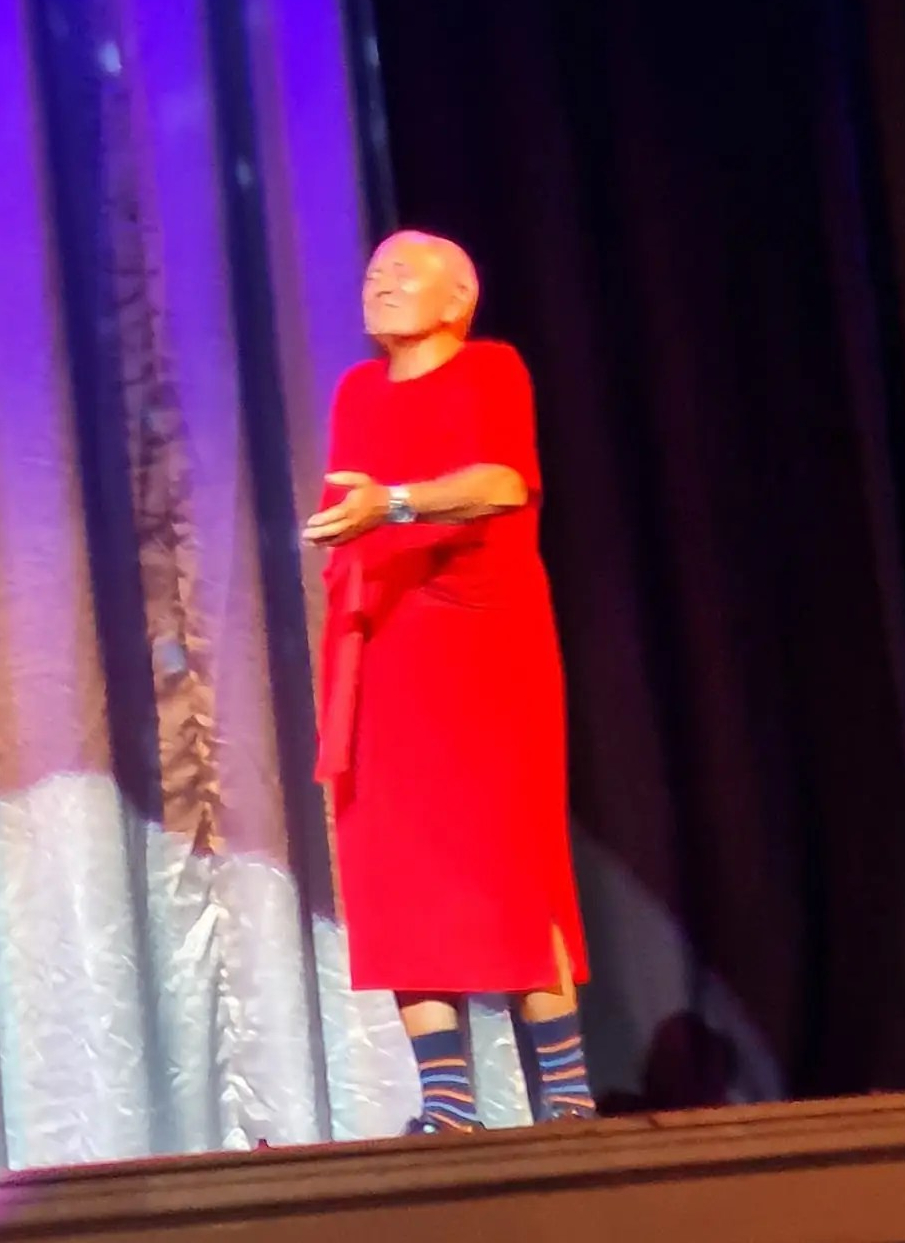
We laughed so much especially during the song “Ken Dodd’s dad’s dog’s dead” and when Tommy Cannon came on stage during the song “Lady in Red”.
It was a wonderful entertaining afternoon and more photos can be seen here.

| Bi Visibility Week 16th – 23rd September |
Bi Visibility Week was founded in 1999, and will be celebrating its 25th year, this September. The aim of the week is to provide a space for awareness, and spotlighting challenges around bisexual and biromantic erasure that still often happens today, both externally and internally of the LGBT+ community.
The bisexual community still face many stereotypes and it is important to help eradicate them. The primary ones being, that the Bi community are ‘greedy’, ‘confused’ or ‘unable to decide’, essentially invalidating the authenticity of the orientation. The stereotypes are also quite harmfully gendered. For example, bi-women are more likely to be viewed as ‘straight’ and bi-men are more likely to be viewed as gay, and claiming their bi-ness is a step up to ‘coming out’. These all fall under the umbrella of Biphobia.
These stereotypes can be played out in society and by friends, family and colleagues. Stonewall did a study in 2018, that concluded that of those asked, 46% of Bi men and 26% of Bi women aren’t open about their orientation to loved ones.
By uplifting voices of the Bi community and educating others, we can continue to dismantle harmful biases within and outside our community.
How to be a good ally to the Bi community
- Believe them: Bi people are often under a microscope over whom they date, but their orientation is valid. They could be in a long-term relationship with one gender for 10+ years, and then date the opposite gender for two. It doesn’t erase their orientation in the slightest over whom they are with in real time.
- No Assumptions: It’s important not to make assumptions based on dating history.
- Challenge Biphobia: Where you feel safe to do so, challenge harmful stereotypes that you hear others say.
- Uplift and support marginalised bi people: It’s important to look at intersectionality too to be mindful and sensitive to those in the bi community who face additional barriers.
- Use inclusive language: Be mindful of how you phrase words and careful not to generalise vocabulary. Several terms fall under the bi umbrella category such as pan and queer.
- Support bi organisations and campaigns: To learn more and spread awareness, there are some fantastic Bi centred organisations within the UK such as: BiPhoria!, Bi Pride UK, Bi’s of Colour, Bi Survivors Network, Biscuit, and The Bisexual Index.
- Celebrate: Champion, celebrate and amplify bi people’s voices and stories. Read books, watch interviews, and learn more from the community.
Historical & Famous Bi Icons!
In honour of Bi Visibility Week, let’s look at some prominent figures who are within the community! These are just a few of the many fantastic people in the public spotlight (both past and present) who have created pathways and visibility for the bi community.

Oscar Wilde (1854-1900)
Probably arguably one of the most famous, classic playwrights in the world, many of Wilde’s work is queer coded. He was married to a long-time female partner, however had multiple male affairs. Over the years many have tried to ignore his bisexuality by saying he was repressing his ‘true’ sexuality.
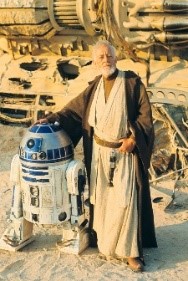
Sir Alec Guinness (1914-2000)
Most known for the iconic role as Obi-Wan in Star Wars, Sir Alec Guinness was discretely bisexual and struggled with his identity. Being in the entertainment world, he was sadly hyper aware of his surroundings. Sir Ian McKellen spoke about how Alec had tried to convince him not to advocate so publicly for the community. Either way, he has continued to be an icon in representing the community.
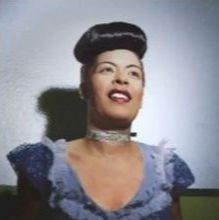
Billie Holiday (1915-1959)
The legendary American Jazz singer was known to be openly bisexual throughout her career and had multiple affairs with and relationships with other women within the entertainment industry that were high profile. She also had married several times.
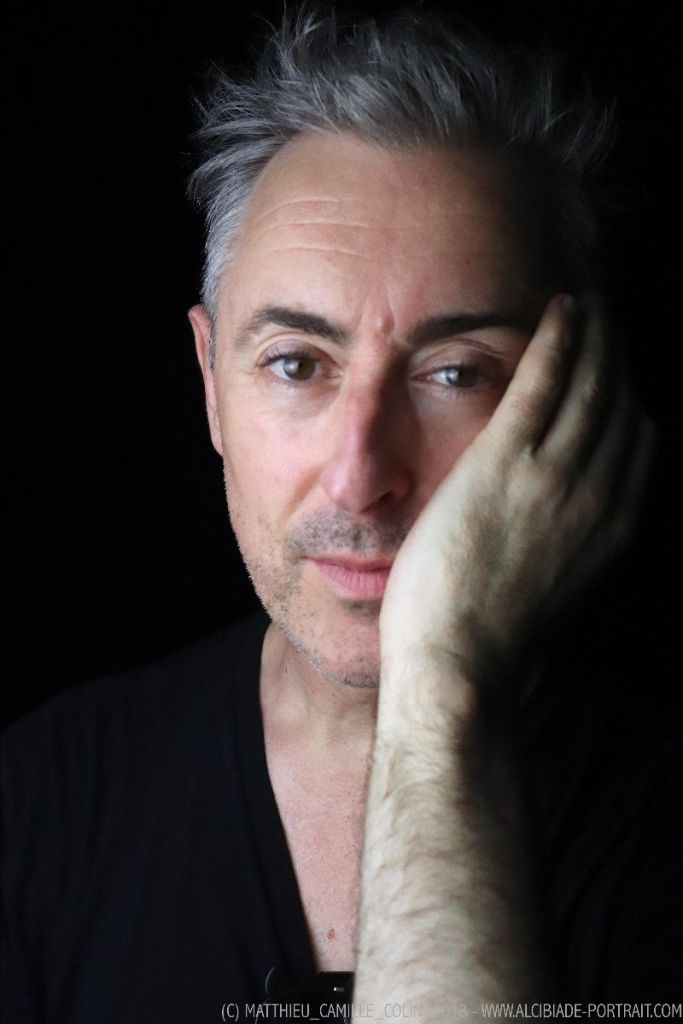
Alan Cumming (1965-)
The Scottish born and raised actor has had a huge career within the entertainment industry reaching audiences world-wide. Alan has also been quite open and vocal about being bisexual and championing his experiences. When asked how he explains bisexuality, Alan says: “I’m not here to change people’s minds about whether they believe in bisexuality. All I’m saying is that I think my sexuality and most people’s sexuality is grey.”

Margaret Cho (1968-)
Famous comedian Margaret Cho has openly shared her frustrations with harmful stereotypes. “Nobody has ever really accepted that I’m truly bisexual. Nobody has ever allowed it. It’s still very much a point of argument between anybody that I’ve been with. People just don’t accept it.”

Cynthia Nixon (1966-)
Most known for her iconic role as Miranda Hobbs in Sex & The City and And Just Like That, Cynthia is an American actress and advocate for the LGBT+ community, winning an award for her accomplishments in 2018 by the Human Rights Campaign. In an interview in 2012, Nixon mentioned “While I don’t often use the word, the technical precise term for my orientation is bisexual. I believe bisexuality is not a choice, it is a fact.”
‘Polysexual’ and ‘amalgagender’ are among Dictionary.com’s newest words
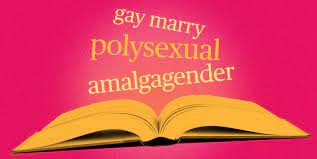
“Polysexual”, “amalgagender” and “gay marry” are among the new words and phrases added to Dictionary.com this year, in a revision that also included the removal of gendered pronouns from hundreds of definitions.
The online dictionary added 566 new words, many of which relate to identity and relationships, pop culture and artificial intelligence. Several new words describing identity and relationships involve the LGBTQ community.
“Gender and identity have been particularly dynamic, and productive areas of language change in the past 15 years or so,” said John Kelly, vice president of editorial at Dictionary.com. “Whether it be socially or medically, there is a vocabulary component that is emerging, breaking through into the mainstream, that people need to know that they’re going to encounter.”
Amalgagender, one of the new words, refers to the gender identity of some intersex people. Polyromantic is a person romantically attracted to people of various genders, and polysexual is a person sexually attracted to people of various genders.
Kelly said the company uses four criteria to determine whether a word should be added to its dictionary: “Is it widely used, does it have shared meaning, does it demonstrate staying power and is it going to be useful for a general audience?”
More than 2,000 definitions of existing words have also been revised, and about 400 of these were updated to either replace or remove gendered pronouns, Kelly said.
“Not only does ‘him or her’ reduce the options in the example to a binary gender, but it also is harder to read and understand,” Kelly said.
One of the updated definitions is for the word “volunteer,” which went from, “A person who voluntarily offers himself or herself for a service or undertaking” to, “A person who offers to perform a service or undertaking.”
“We don’t go about our lives going, ‘Hey, I’m looking for some volunteers, you know, someone who offers himself or herself to do that.’ That construction is cumbersome and exclusive and we were overdue to make that change across our dictionary,” Kelly said.
Resistance toward the use of transgender and nonbinary people’s preferred pronouns and a rise in anti-LGBTQ legislation nationwide have created a tense dialogue surrounding language used by LGBTQ people and allies.
“Language really is a lightning rod,” Kelly said. “All of a sudden it can feel, when these new words get announced, that there’s an agenda behind it. I want to be clear: There isn’t an agenda; there is documentation.”
This documentation, he added, shows that language is in fact changing.
“Whether we like it or not, whether we agree with it or not, whether it’s our personal views or not,” he said, “it’s our job to be a service to people to capture that language as objectively as possible.”
The company has added dozens of new words and phrases that relate to the LGBTQ community in recent years. “Demisexual,” “neopronoun” and “aromantic” were among last year’s new additions.
Adding new words and updating definitions is standard practice among prominent dictionary publishers. Major dictionaries including the Merriam-Webster Dictionary, Macmillan English Dictionary and Collins English Dictionary frequently publish updated versions.
 Out in the City