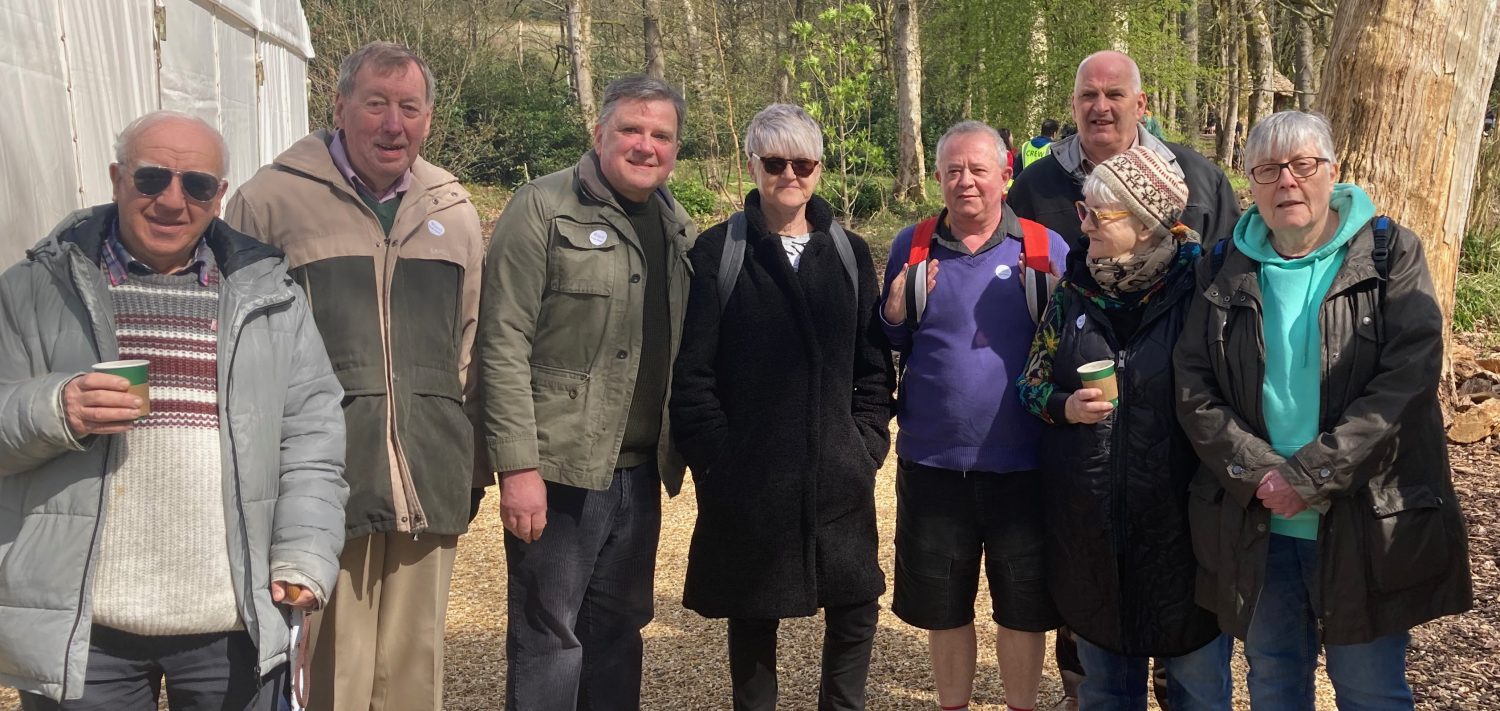
Sackville Park
Manchester City Council Parks Team are in the process of writing a development plan for Sackville Gardens.
It will look at how local residents and community groups make use of the park, and how you would like the park to better serve your needs.
We would love to hear from you about your aspirations for the park. Let us have your thoughts before 19 August 2023.
https://tinyurl.com/SackvilleGardens
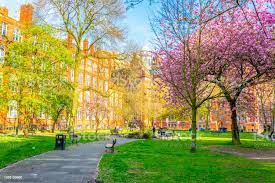
The Significance of Safe Spaces for LGBT+ Individuals
Safe spaces have emerged as a vital concept in today’s society, offering refuge and support for marginalised communities. In particular, safe spaces are crucial in providing solace and empowerment to LGBT+ individuals.
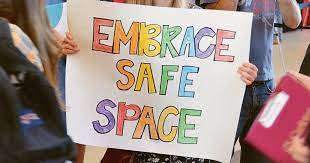
What is a Safe Space?
The Oxford Dictionary describes a safe space as a “place or environment in which a person or category of people can feel confident that they will not be exposed to discrimination, criticism, harassment or any other emotional or physical harm.” Safe spaces can look different to various people and communities. There may be designated safe spaces in institutions, such as counsellors’ offices. We can find safe spaces within our friends or family groups on an informal level.
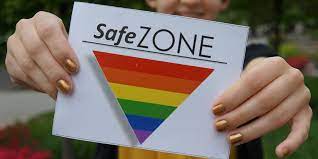
The Need for Safe Spaces
We can generally comprehend the need for safe spaces when we understand something about human nature. Both official and unofficial safe spaces are crucial for different reasons. Human beings are social creatures. Feeling listened to, understood and accepted is the key to feeling fulfilled. Social anxiety and withdrawal are common reactions to a hostile social environment.
Members of the LGBT+ community are a minority group and one that is vulnerable. LGBT people are nearly four times more likely than non-LGBT people to experience violent victimisation, rape, sexual assault and aggravated or simple assault. Even though there have been many improvements in the quality of life for LGBT+ people, this community still faces widespread economic, social and political discrimination. These facts were reported in a 2017 study by Stonewall “LGBT in Britain – Hate Crime and Discrimination”.
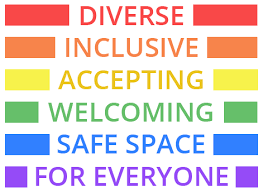
Why Safe Spaces Are Important
Here are six reasons why safe spaces are important:
1. Promoting Authenticity and Self-Expression
Safe spaces create an environment where LGBT+ individuals can express their true selves without fear of judgment or discrimination. These spaces empower individuals to embrace their identity by providing a platform for self-expression, fostering a sense of belonging and acceptance.
2. Emotional Support and Empathy
Navigating through a predominantly heteronormative society can be challenging for LGBT+ individuals. Safe spaces offer a refuge where they can find emotional support and empathy from people who share similar experiences. This support network helps combat feelings of isolation and loneliness, contributing to improved mental health and overall well-being.
3. Education and Awareness
Safe spaces also serve as educational platforms, fostering understanding and awareness about LGBT+ issues. Through workshops, discussions and informative sessions, these spaces help educate individuals about the challenges faced by LGBT+ communities, ultimately breaking down stereotypes and promoting inclusivity.
4. Combating Discrimination and Prejudice
LGBT+ individuals often face discrimination and prejudice in various aspects of their lives. Safe spaces provide a shield against this discrimination, offering respite from societal biases and creating an atmosphere where everyone is valued and respected regardless of their sexual orientation or gender identity.
5. Building Community and Networking
Safe spaces bring together LGBT+ individuals, creating a sense of community and belonging. These spaces facilitate networking opportunities, enabling individuals to connect with like-minded people, share experiences and build supportive relationships. Such connections can be invaluable for personal growth and empowerment.
6. Celebrating diversity
Safe spaces celebrate the diversity within the LGBT+ community. They create an environment where individuals from different backgrounds can come together, fostering a sense of unity and inclusiveness. By embracing diversity, safe spaces contribute to a society that values and respects all individuals, regardless of their sexual orientation or gender identity.
Are Safe Spaces Always Safe?
Unfortunately, no space is 100% safe. In Orlando, for instance, 49 people were killed in the Pulse nightclub shooting. In an often-intolerant world, gay clubs like Pulse are supposed to be “safe spaces.” Those spaces were violated, reminding us how dangerous intolerance and discrimination can be.
The feeling of safety in a gay bar and actual safety are two different things. Though they are connected, there’s no such thing as a 100% safe space for LGBT+ people. LGBT+ people know this better than anyone. We live it, and our history is marred by it.
Out In the City’s “Safe Space” policy can be seen here.

Why does the trans “debate” continue to consume Britain despite a distinct lack of trans voices?
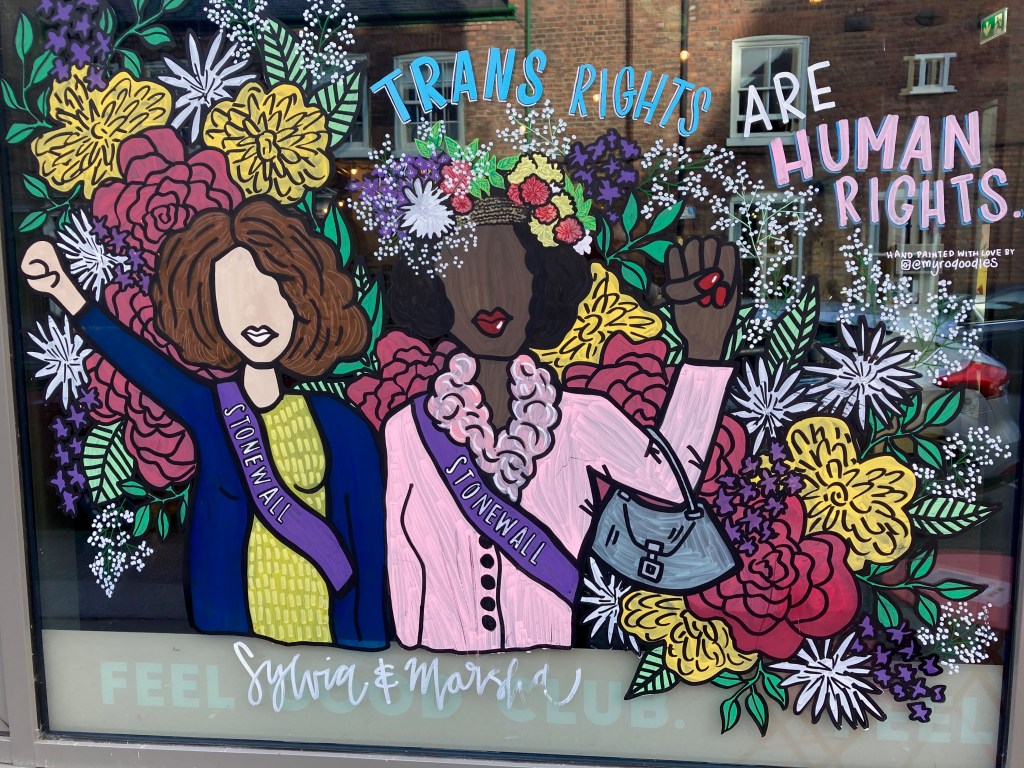
Trans people’s lives are not up for debate. But debates on trans rights do happen.
Have you or anyone you know ever seen a trans person in a public toilet or on your sports team?
If so, congratulations. And so what? You are a statistical marvel, given that with an estimated 200,000 trans people in Britain, they make up just 0.29 per cent of Britain’s 67.33 million population.
I say estimated because there is no concrete data on the true number of trans people in the UK. We just know that it’s a small number.
To put that in perspective, about 0.7 per cent of the population wrote Jedi on the census in England and Wales, almost double the amount of trans people. Bizarrely, 400,000 people being armed with light sabres or thinking it was funny to say so wasn’t considered so much of a risk as people wanting to live, die or marry in the gender they feel they are.
Trans people make up an astonishingly low percentage of the general populace; yet for some reason find themselves as a key punching bag in the culture wars.
Now you may be thinking, sure you don’t know any trans people, but that doesn’t mean you don’t know they are confused. I mean there was once a trans rapist, a trans shooter and a trans person who regrets transitioning.
Sure, but there are lots of rapists, endless shooters in America, and given NHS England waiting times for gender dysphoria, people remain deeply committed to living as they choose.
As a cis white gay man, I have trans friends who are tired, beyond tired of their lives being a political football, and of being made to feel unwelcome in this country, but we simply don’t hear from them.
In a Gay Times survey (of 996 respondents) 96.4% per cent said they believe that framing trans rights as a ‘debate’ is harmful.
But that’s what has happened. Papers and television shows filled with pundits talking about trans people because they fear what they don’t (want to) understand. Truly at this point, there are probably more columns criticising trans people than actual trans people.
This so-called ‘trans debate’ frequently sees human rights issues tossed around as if they are a trivial matter and fuels a wider anti-trans agenda.
On 29 March 2023, two days before Trans Day of Visibility, Talk RADIO ran Twitter polls asking if a woman can have a penis and whether or not a man can get pregnant.
“Equalities watchdog launches study aiming to ‘reduce distress’ in trans debate,” wrote The Telegraph a week earlier, referencing alleged “fears” that trans activists are “harming freedom of expression” and abusing feminist academics.
Four years earlier, the same outlet ran an article titled: “The tyranny of the transgender minority has got to be stopped.”
The list of examples could go on, as a quick Google search of “trans debate” returns 171,000,000 results.
On anti-Semitism, we hear from Jews, on racism, we hear from black people, on trans issues, we hear from the same people saying the same thing because there’s more clicks to be had in outrage rather than compassion.
Trans people are never given a platform to defend themselves, but in the meantime, trans lives will go on. They are bystanders in this debate that despite its ferocity, they continue not to be heard in.
 Out in the City