Cooking on a Budget

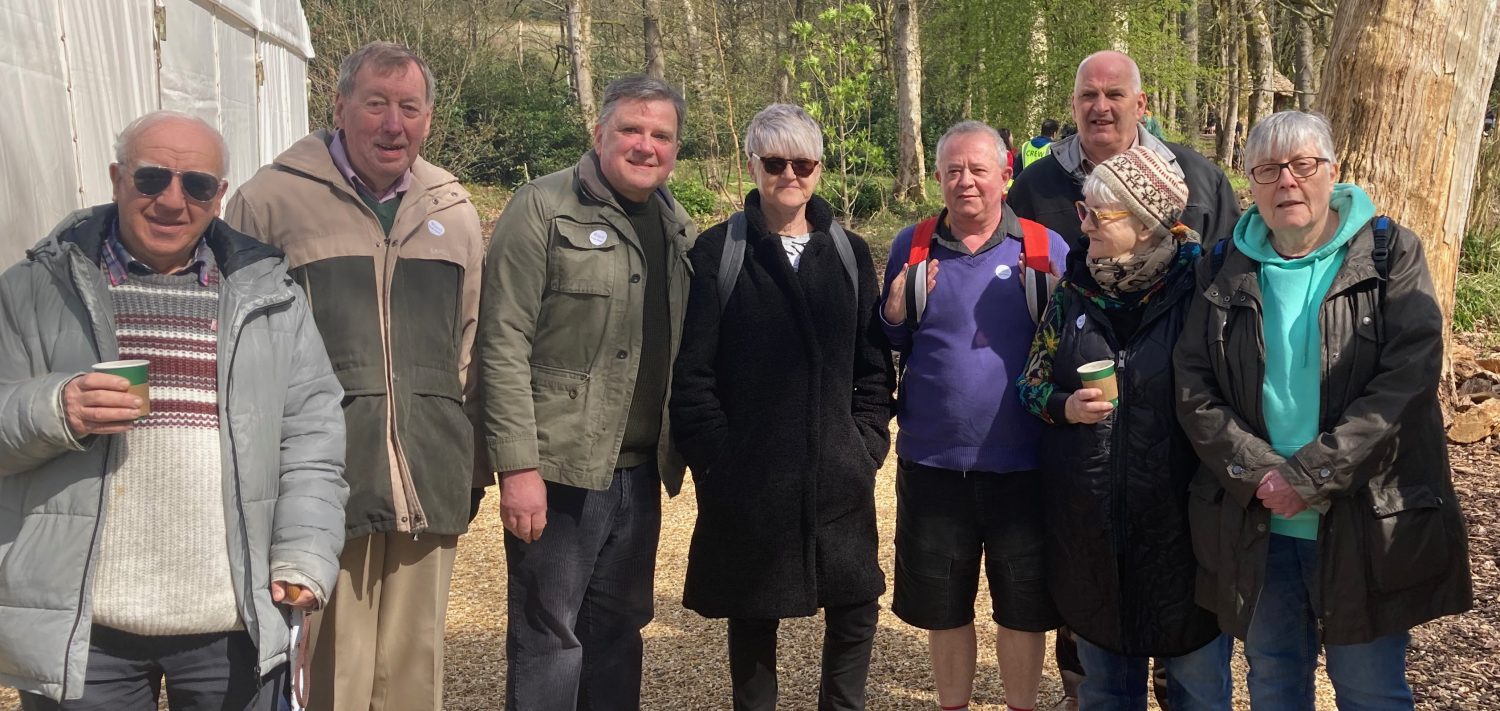
On Thursday 6 July, Alex Connell visited Out In The City for a cooking demonstration.
The plan was to prepare some meals and for us to taste pea and mint soup, paella, Lancashire hot-pot, sticky toffee pudding and flapjacks (all vegetarian).
However, it didn’t start well as we could not gain access to the building; Alex was late as he spent 45 minutes driving in circles trying to find a parking space; and the demonstration was curtailed when the smoke alarm was activated and we all had to evacuate the building!
However, it was an informative session and we came away with some good ideas for cheap meals.
This is the recipe for pea and mint soup:
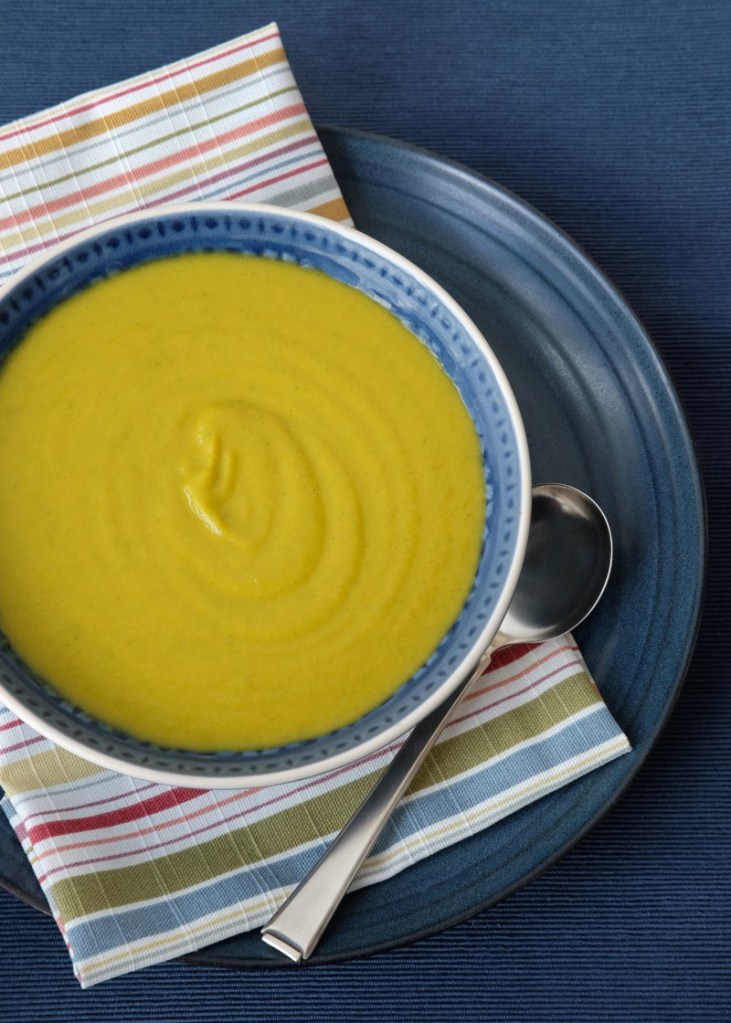
Serves: 2
Time to prepare: 10 minutes
Time to cook: 30 minutes
Ingredients:
1 tbsp olive oil, 1 onion, chopped, 2 medium carrots (160g), sliced, 500ml vegetable stock, 30g red lentils, 1 garlic clove, 1 small sprig of mint, 120g frozen peas, 50g vegan cream cheese
Instructions:
- Gently fry the onion and carrots for 5 minutes in a tbsp of oil, making sure the onion doesn’t brown. Then add the stock, lentils, garlic and mint.
- Bring to the boil, then simmer for 20 minutes. Add the peas and continue to cook for 5 more minutes.
- Remove the sprig of mint then thoroughly blend the soup. Next pass through a fine sieve.
- Return to the pan and add the cream cheese. Check the consistency is correct – add a little extra water or cream cheese to thin the soup if needed, or continue to cook if the soup needs thickening.
More recipes can be found on the website https://vegetarianforlife.org.uk/recipes/

End of Life and Box of Life
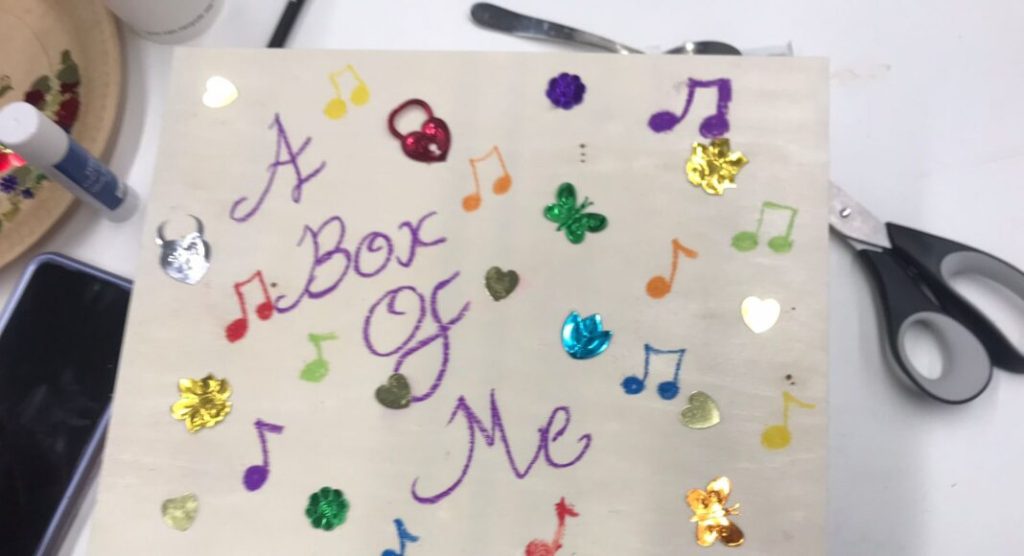
Pauline Smith tells us more about the idea of an ‘end of life’ box and the importance of talking about wishes surrounding your death:
When you are older and LGBT, some days your thoughts turn towards your own mortality. Death will come and it’s nearer when you are in your 70s, you are much closer to the End of Life.
How do you plan for this, and what would you like to leave as tokens and how would you like to be remembered when you have left this earthly place?
Last year three of us mulled over this sensitive issue – Pam Flynn, Mindy Meleyal and myself. We are all members of Pride in Ageing at the LGBT Foundation and all older, mature and hopefully wise.
How did we talk about what is still in the 2020s a taboo subject and what did we discuss?
We met on Zoom three times over a period of weeks and chatted about our own experiences of seeing those close to us die, and what kind of plans we would want for our deaths, what kind of funerals and what would we want to leave for our friends and family.
We talked about how living with dementia does not “cripple us” immediately, though it could impact on the quality of life as can other physical and mental effects which are more common as we get older.
The effects of ageing cannot be discounted, however, the three of us are like many older people and we still contribute a lot in different ways with our lived-in experiences and desire to help.
There are an estimated 50,000 LGBT older people in Greater Manchester and around 80,000 LGBT people living with dementia in the UK. We are also very aware of the lack of LGBTQ+ inclusive and/or specific bereavement services, this has been a common theme amongst stories we have heard.
As have been stories of discrimination towards our community in care homes for older people. Although dying is a sombre subject which Western societies tend to avoid talking about we did actually enjoy our short Zooms as we created a wish list of what we thought our LGBT peers would want for the end of their life, especially what is important.
Sometimes there was black humour, as our generation was impacted so dramatically by the AIDS crisis and we all talked about those we knew who were taken too young and remembered them with affection. As well as other dear departed friends.
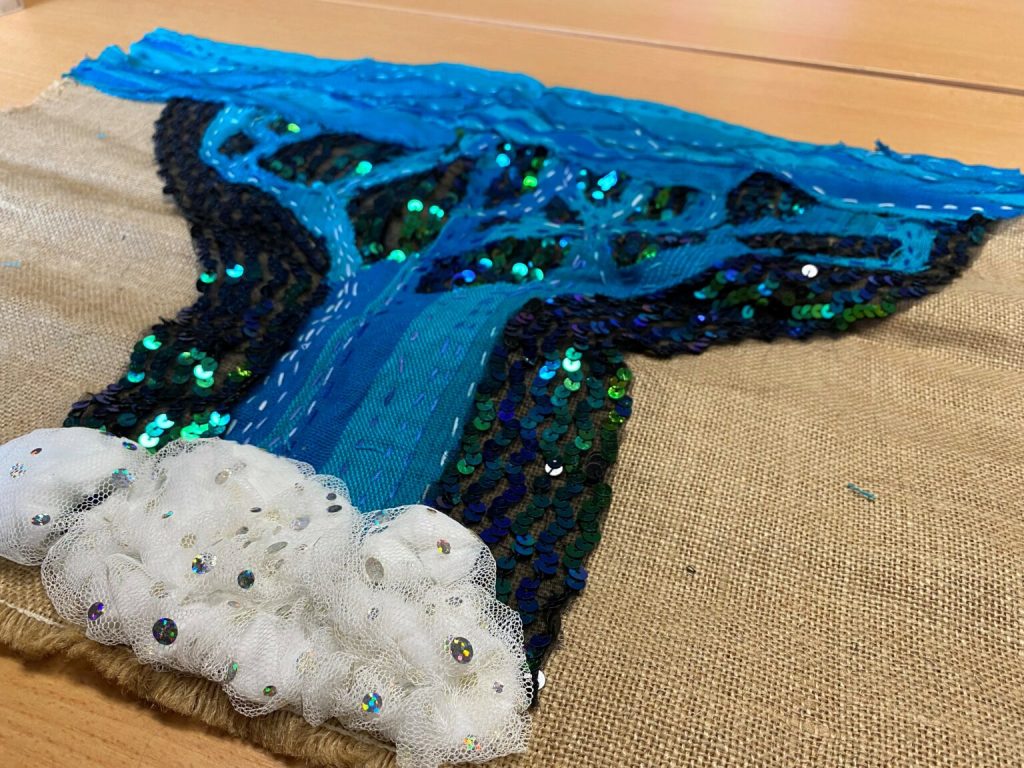
Strangely there was also a burst of creativity from us. Mindy’s idea of a painting representing the flow of life became a tapestry illustrating the Nile delta … as individual lives go into different channels before being washed into the Mediterranean and then become clouds and go back to rain on the mountains and areas that are its source. An illustrative description of our lives.
As for me, I wrote a poem about the ending for all of us LGBTers … End of Life – A Celebration. And we all agreed that a Box of Life, with rainbow coloured paper around it (or whatever takes your fancy) which would include all our wishes and key documents in one place was and is a great idea.
However our main thrust under Pam’s guidance and summarising of what is available for “End of Life” was a plan for those essential documents; after Mindy discovered that we all realise 45 hours before we are going to die that it is inevitable and … it’s a bit too late then to start planning.
She also discovered that there are seven main ways of dying – sudden, accident, illness, infection, suicide, neglect and assisted dying.
We came up with what we hope is a comprehensive “To Do” list of 10 key points for all LGBT people, as so many of us live alone and are often estranged from blood relatives.
Often our friends are “our family”, not always but often. We came up with this idea mainly for older LGBT people, however, this is really applicable for all LGBT adults.
- Plan ahead – before you think you could die is a good idea. Once you are an adult plan ahead…you can always change your plan as your circumstances alter. Think 15 years ahead.
- Ensure you have a Will, which is a legal one.
- Having a Power of Attorney is a good idea, in case you are ill or have issues like living with dementia… that way your affairs can still be managed by whoever you authorise.
- Having a “one stop” list if you live alone and have a fall or accident and cannot look after your cat or your home. And make sure you have a friend or relative who can be called to implement your list.
- A list of all your electronic devices, email addresses and others with passwords
- A funeral plan – to ensure your wishes are met
- A memory box – or a Box of Life – which will include all of those items listed one to six and other things like notes for friends, relatives and some photos and memories
- Ensure that your “special family” is listed – not all of us LGBTers have relatives of any kind that we still speak to and the special family is those you have chosen.
- Have a plan for how you want to be treated in a care home or hospice. This can be critical for trans people, to ensure that misgendering doesn’t happen and its important for anyone’s identity who is LGBT.
- Lastly ensure that the people caring for you – family, friends, medical professionals – whether at home or in hospital, care home or hospice – have a list of your wishes on things like resuscitation, intravenous feeding, aggressive treatments are adhered to.
- Remember – It’s your life, and you should be able to retain your dignity and choose if you can how it ends.
After the three of us came up with this list we presented it our peers on the Pride in Ageing (PIA) advisory committee and Lawrie Roberts (PIA manager) and Siobhan Kenyon (St Ann’s Hospice) and the two of them developed an extensive programme which is now called Box of Life.
This has now been tested on various different LGBT Groups within the LGBT Foundation and was officially launched in May 2023. Lawrie, Siobhan, Mindy, Tony and myself have also recorded a short podcast about the Box of Life project.
If you have been affected by anything in this article then please contact any of the following links:
1. The LGBT Foundation – Pride in Ageing
email prideinageing@lgbt.foundation
telephone number 0345 3 30 30 30
helpline 0800 0119 100 (every day 10.00 until 22.00)
2. St Ann’s Hospice
telephone number 0161 702 8181
3. Samaritans
telephone number 116 123
4. Shining a Light on Suicide – For older people
End of Life – A Celebration
Whether you are trans like me
A gay man, lesbian or bisexual
Intersex or gender fluid
We all deserve respect
After living full lives
Many of us are older now
We have all experienced hate and discrimination
Often being who we are was illegal
Yet we have come through all of that
Battered bruised with our heads held high
Happy with who we are
All of us have left impressions on others
Yes we are different but the same
We are only human
We want our spend our end days
Our passing to be as we want
With dignity and respect
Whether its at home, hospital, hospice
or in a care home
We should all be prepared
with a will, power of attorney
A memory box
And our own wishes for our funeral service
No discrimination or insults or misgendering
In those final times
Many of us have no immediate family
No partner
No relatives who accept us
Being prepared is best
We all come to the end of life
And die
Our hope is
that our friends and relatives
will enable us to spend the end of our life
with dignity respect and no pain
and that our friends and family
can all celebrate our full lives
at our funeral
With Joy
Transparency
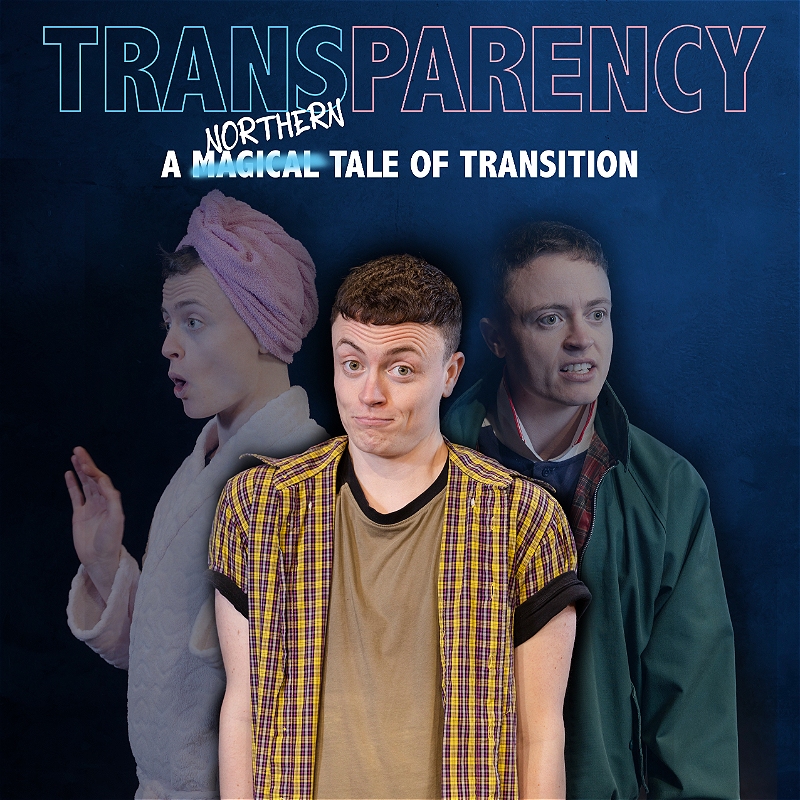
“Transparency” is a transformational solo theatre performance written and performed by Jaden Adams. It moves through hard-hitting issues in a way that is at the same time vulnerable, jarring and heartwarming.
Dive into the everyday life of a transgender male through the relatable, hilarious and brutally honest lens of a northern working class family. Whilst Jack navigates the hurdles of transition, the old family dynamics are shaken up.
Will he find the courage to face his worst fears? Will he risk it all for love?!
Thursday 20 July 2023, 7.30pm
The Squad House, Unit D2A, 3rd Floor, Pear Mill, Stockport Road West, Lower Bredbury, Stockport SK6 2BP
Admission £10 / £5 (concessions). Buy tickets here.
If you miss this show, it’s coming to The Edge in Chorlton on 30 September.

Charles Hamilton: the 18th century “female husband” who scandalised British society
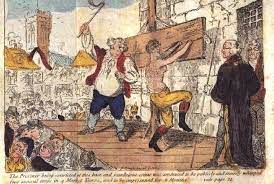
Image from a copy in Bristol Library of the pamphlet “The Female Husband” (1813 edition) by Henry Fielding. Cartoon is attributed to George Cruikshank. Text on the image says: “The Prisoner being convicted of this base and scandalous crime was sentenced to be publically and severely whipped four several times in 4 Market Towns, and to be imprisoned for 6 Months.”
Charles Hamilton, a travelling doctor in 18th-century Somerset, UK, was a dapper, charming suitor who could have his pick of the ladies – and according to some accounts, often did.
But it was love at first sight when the doctor laid eyes upon his landlady’s niece, the beautiful but naive Mary Price.
On 16 July 1746, at St Cuthbert’s Church in Wells, Somerset, Charles (or, as the parish register has it, James) Hamilton and Mary Price were married by the Reverend Mr Kingstone.
For two months, the couple travelled through Somerset as husband and wife selling quack remedies – unproven cure-alls that often had little medical value. Still, on 13 September, in a nearby town called Glastonbury, Mary denounced her husband to the town authorities.
It turned out that Charles was missing a vital piece of equipment – a penis.
Charles’ story scandalised and titillated society, courtesy of Henry Fielding’s hurriedly-written – and mostly fictionalised book – The Female Husband.
But who was Charles Hamilton?
The person first known to the world as Mary Hamilton was born in Somerset, a rural farming county in southwest England, in about 1725, the daughter of William and Mary Hamilton.
When still a child, her family moved to Angus in Scotland until, at about 14, Mary put on her brother’s clothes and set out on the road back to England alone. From this moment, Mary lived as a man, going by the names of James, George, and Charles Hamilton in the years that followed.
In Northumberland, as Charles Hamilton, he entered the service of Dr Edward Green, a ‘mountebank’, or seller of quack medicines. He then worked for Dr Finly Green before setting up independently as an unqualified doctor.
In May 1746, he arrived at Wells in Somerset and lodged in the house of Mary Creed, meeting her niece and falling helplessly in love. This fateful act led to the marriage that would cast him into infamy.
A deposition from Mary Price says that she and Hamilton travelled selling medicines after marriage.
During their time together, Hamilton “entered her body several times” and “so well did the imposter assume the character of man, that she still believed she had married a fellow-creature of the right and proper sex.”
But after gossiping with her neighbours, Mary soon began to suspect her husband was harbouring a secret. She confronted her husband when they were in Glastonbury – a town just a few miles away from their home in Wells. Hamilton admitted the truth to Price, who, in turn, instantly ratted him out.
The story was unusual enough at the time to attract the attention of the local newspaper, the Bath Journal.
According to those reports, after news of the arrest, many people visited the prison to gawp at Hamilton, described as being “bold and impudent”.
It added that “it is publickly talk’d that she has deceived several of the Fair Sex by marrying them.”
Another report says that at the trial, the prosecuting attorney, Henry Gould – misspelled as Gold in the newspapers – claimed that Hamilton had been married fourteen times.
The scandalised magistrates struggled to agree what the crime was – or even if one had been committed.
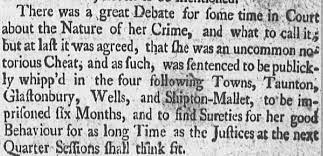
Records show that it was not so much that Hamilton dressed and worked as a man that was a problem as much as the fact that he deceitfully contrived penetrative sex. After much debate Charles Hamilton was labelled an ‘uncommon notorious cheat’ and was charged under the Vagrancy Act of 1744; an act meant to prosecute lack of employment or deceitful attitudes.
During the trial, members of Hamilton’s community wrote a letter to the clerk asking for severe punishment. They demanded public humiliation to ensure that Hamilton would never be able to live as a man again.
The severity of Hamilton’s sentence, and the terms in which the court delivered it, reflected the outrage and perplexity the case had aroused: ‘and we, the Court,’ they said, ‘do sentence her, or him, whichever he or she may be, to be imprisoned six months, and during that time to be whipped in the towns of Taunton, Glastonbury, Wells and Shepton Mallet.’
The newspaper recorded that the ‘bold and impudent’ Hamilton remained at that time ‘very gay, with periwig, ruffles, and breeches’, still defying the world as the world closed in.
He continued to sell his remedies surrounded by fascinated crowds who flocked to see him.

At three-week intervals, until Christmas 1746, Hamilton was whipped publicly in four different towns. That might have been the end of the saga for Hamilton if it weren’t for the novelist Henry Fielding.
Now considered the founder of the English novel, Fielding hurriedly cashed in on the salacious scandal, claiming he had his information “from the mouth” of Hamilton himself.
However, he likely never met the person he satirised in his work and it was instead cobbled together from court reports and his own (filthy) imagination.
The obscure – and pornographic – pamphlet was published anonymously. Like a Georgian-era 50 Shades of Grey, it was badly written, salacious and sold out almost immediately. Unlike 50 Shades of Grey, only four copies are known to exist today.
In his story, Fielding claims Mary Hamilton was born in 1721 on the Isle of Man, the daughter of a former army sergeant who had married a woman of property on the island.
In his version, she had been brought up in the strictest principles of virtue and religion but was seduced into “vile amours” by her friend Anne Johnson, an enthusiastic Methodist, and “transactions not fit to be mention’d passed between them”.
When Anne leaves him for a man, Hamilton seeks another female lover. He meets Mrs Rushford, a wealthy 68-year-old widow who takes her to be a lad of about 18. He pretends to be a Methodist preacher and promptly marries the widow.
According to Fielding, he deceived his bride by means “which decency forbids me even to mention.” The bride eventually discovers Hamilton’s birth sex, and Hamilton is forced to flee. Hamilton uses various other aliases to marry other women but is repeatedly forced to run when the ruse is discovered.
Finally, posing as a doctor, he marries Mary Price.
Gendering Hamilton as a woman, Fielding also claims that “on the very evening she had suffered the first whipping, she offered the gaoler money, to procure her a young girl to satisfy her most monstrous and unnatural desires.”
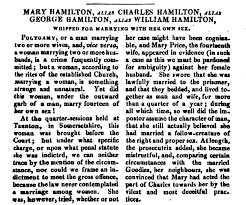
Historian Louis Crompton describes Fielding’s account as “one part fact to ten parts fiction” – so what did happen to Charles Hamilton once the storm had passed?
In July 1752, an unsigned letter appeared in the Pennsylvania Gazette, sent from Chester, just outside Philadelphia. It recounted the story of Charles Hamilton, an itinerant doctor living as a man, who was discovered to be biologically female.
According to the letter, Hamilton said he had been brought up in the business of a doctor and surgeon in the UK.
He said he had set sail for Philadelphia in Autumn 1751, cast away from North Carolina and made his way towards the city, selling medicine and treating people along the way.
Hamilton confessed he had used the “disguise” for many years.
So perhaps, Hamilton headed off to the New World and continued to live his life as he always had – true to himself and unashamed.
 Out in the City
I thoroughly enjoyed the cooking demonstration, so thank you Tony for organising everything. Alex was a funny, interesting and entertaining speaker who I thought did rather well under the circumstances, and I’m sure we would all have loved the dishes had he been able to continue! I’ve ordered a couple of recipe books from Vegetarian for Life (where Alex works) and am looking forward to trying a dish or two soon!
LikeLike